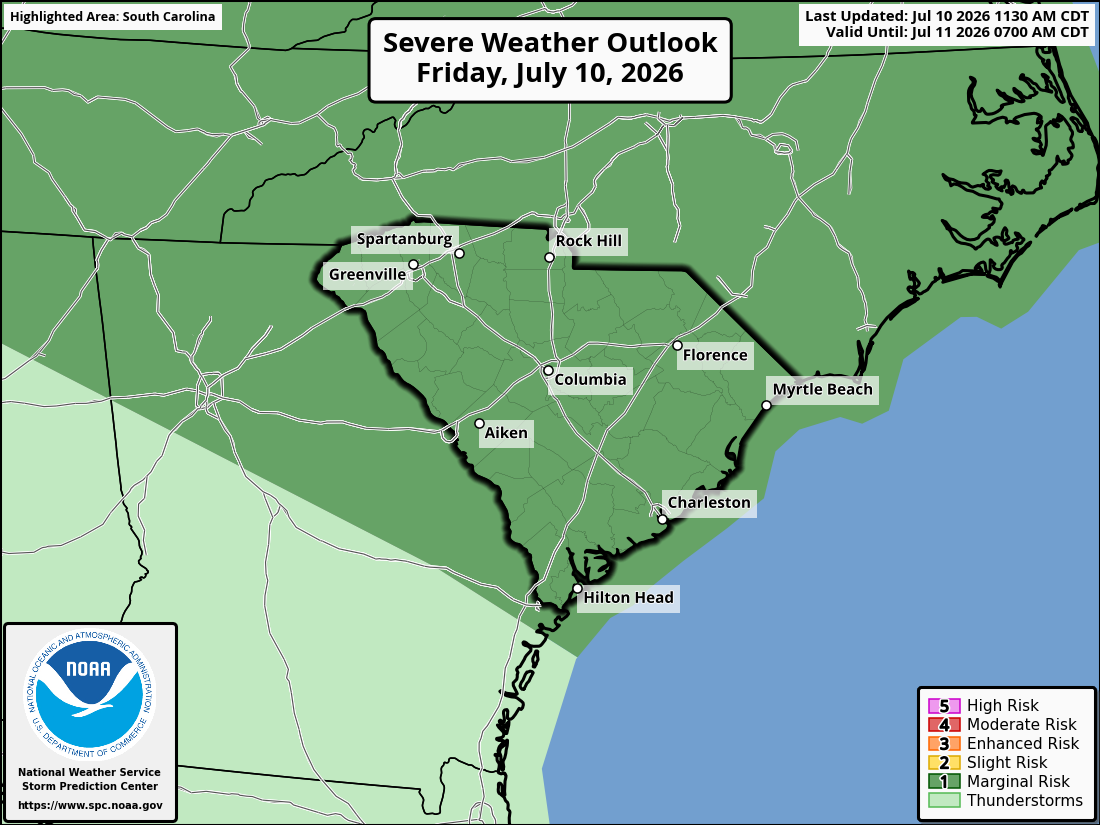
RALEIGH, N.C. (July 8, 2026) – The heatwave that has been passing through the Carolinas has put residents’ HVAC systems to the test. Consumers may consider buying or servicing their existing heating and air conditioning system as the weather wears on. The total cost of any appliance, including heating and cooling systems, has three components — the purchase price, the cost of repairs and maintenance, and the cost to operate it. With heating and cooling among the largest energy expenses in the typical home, Better Business Bureau of Eastern Carolinas (BBB) wants to ensure consumers get the most out of their HVAC systems.
Many things you should consider when hiring an HVAC contractor are consistent with what to consider when hiring any contractor. There are also considerations specific to heating and cooling.
“Over the past month, BBB Scam Tracker has received a couple dozen HVAC-related reports,” Mallory Wojciechowski, BBB President and CEO, said. “Those looking to repair or replace their HVAC system should do thorough research and heavily consider working with a BBB Accredited Business as they are held to a higher standard and are responsible for working to resolve issues with customers.”
Purchase and Installation:
-Before you buy, conduct an energy audit. This will help you detect energy waste, gauge the efficiency of your current heating and cooling systems, and determine if conditioned air is moving properly. Your utility company may offer free or low-cost energy audits or a do-it-yourself kit. You can also hire a specialist to do a more comprehensive energy audit (though this will probably cost you more).
-You should also take steps to weatherize your home. Check the caulking, weather stripping, and insulation, and make necessary repairs. This may enable you to install a smaller, less expensive heating or cooling system to get the same results.
-Compare the performance of different brands and models. Study the product literature. Will the product do the job? What’s its repair history? Will it handle your needs today? Ten years from now? Does it fit your budget? How energy efficient is it?
-Consider energy efficiency from the start. All products must meet minimum energy efficiency standards set by the Department of Energy. Many products beat the standard, use even less energy, and cost less to run. Ask your builder, installer, or home supply outlet about the EnergyGuide label and the fact sheets or product directories for each system you are considering. Compare the energy efficiencies and operating costs of competing models. Consider the purchase price and estimated operating costs when deciding what to buy. Sometimes you may be eligible for cash rebates or tax breaks from your energy provider for buying and using energy-efficient products. Be sure to check with your energy provider for more information.
=Ensure any contractor you hire to install your system is an approved, authorized dealer by the manufacturer. If they are approved, it means they meet the requirements, and the manufacturer trusts them to install and represent the product.
=Compare more than just cost. Check the size and rated efficiency of the equipment each contractor recommends. Ask each contractor to explain how the estimate of the required heating capacity and equipment was determined. Ensure the service and products of the contractor you use will provide the maximum benefit in comfort and value.
The contractor you choose should provide at least one call back free of charge after installation to check the system. See that this is in the written agreement. Many contractors also offer service contracts under which they will inspect and service your equipment once a year and provide emergency repair service. Before purchasing a service contract, weigh its cost and coverage against the cost and likelihood of future repairs. If your system is new, it probably comes with a warranty, which is included in the system’s purchase price. If you sign a service contract, be sure it spells out what parts and services are provided and doesn’t duplicate coverage you already have under the warranty. Because service contracts vary significantly in coverage, compare the coverage offered by several companies.
Is the guarantee or warranty disclosed? Is the entire job under warranty or only certain materials? Is labor included in the guarantee? Who will make good on the guarantee – the dealer or the manufacturer? Of course, remember the guarantee is only as good as the firm that offers it.
Maintenance and repair:
Keeping your system well-maintained will prolong the system’s life and save you money. So be sure to have it checked every year by a qualified technician. Spring or early summer are the best times for servicing cooling systems, while summer or fall are ideal for servicing your furnace. You can also do routine maintenance yourself by replacing disposable filters as needed or cleaning permanent ones.
Before calling a heating or cooling contractor, check what model system you own and the maintenance history for the system. Understand the license and insurance requirements for contractors in your state or province. Make sure the contractor meets all the requirements.
If you need repairs, get multiple written estimates for the job. If you need to replace your system, the estimate should include a full description of additional work required to install ducts, registers, electric wiring, and any other work needed.
Finding A Contractor:
Look for The Sign. When it comes to purchasing or repairing an HVAC system for your home, you should strongly consider hiring a BBB Accredited business. Opting for a BBB Accredited HVAC provider can bring numerous benefits that contribute to a positive customer experience and long-term satisfaction with your investment. You should consider companies with reliable and ethical practices, quality products and services, industry expertise and professionalism, a customer-centric approach, transparency, and support for trust in the marketplace. When you’re in the market to purchase or service your HVAC system, always look for The Sign of a Better Business. Find trusted, vetted HVAC contractors near you and get a quote.
Always look for businesses that follow BBB Accreditation Standards and BBB Standards for Trust.
About BBB of Eastern Carolinas
Better Business Bureau serving Eastern Carolinas is a 501(c)(6) not-for-profit corporation serving 48 counties in North and South Carolina. The organization is funded primarily by BBB Accredited Business fees from over 5,200 local businesses and professional firms. BBB promotes integrity, consumer confidence and business ethics through business self-regulation in the local marketplace. Services provided by BBB include reports on companies and charitable organizations, general monitoring of advertising in the marketplace, consumer/business education programs and dispute resolution services. All services are provided at no cost to the public, with the occasional exception of mediation and arbitration. Visit BBB.org.