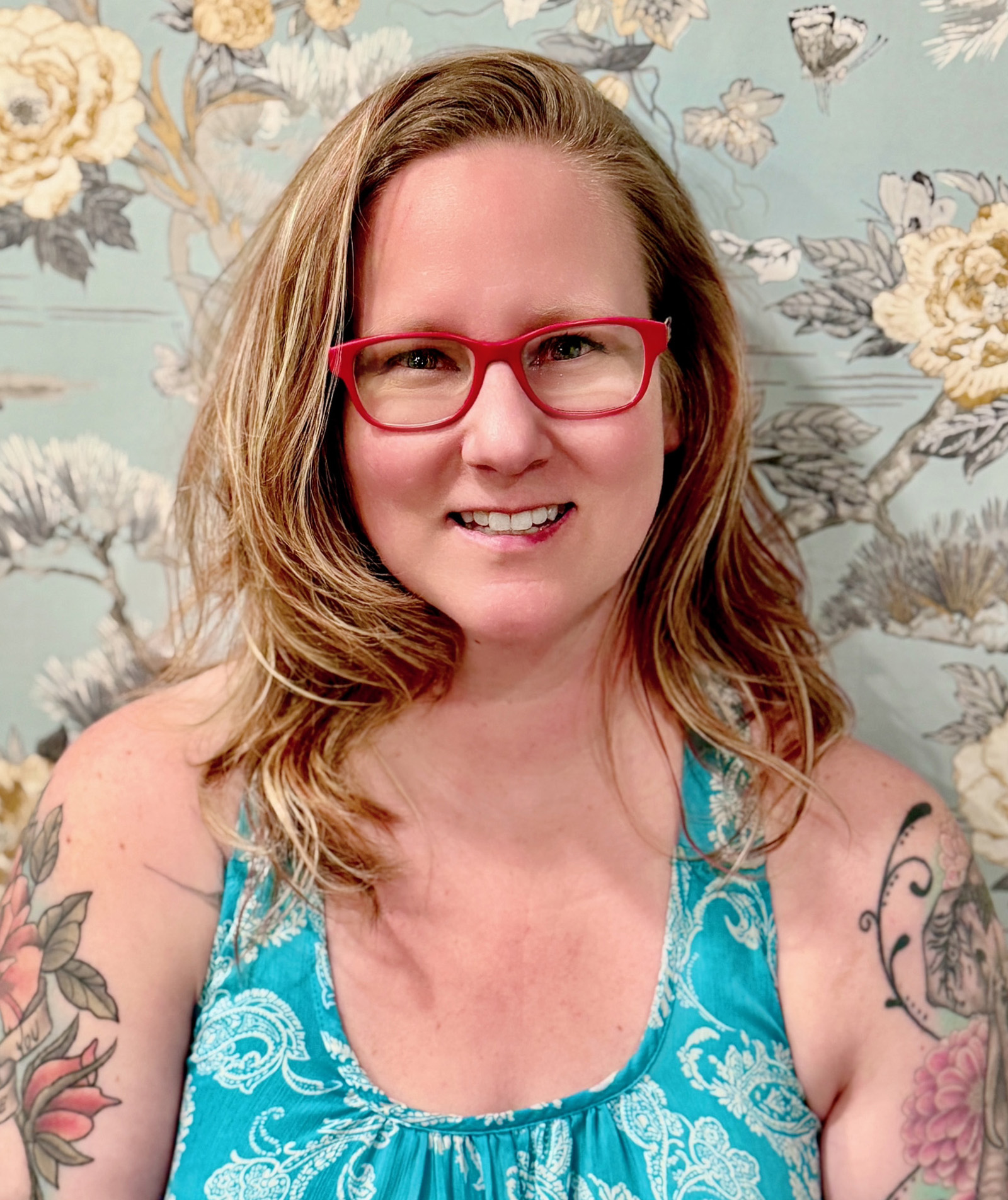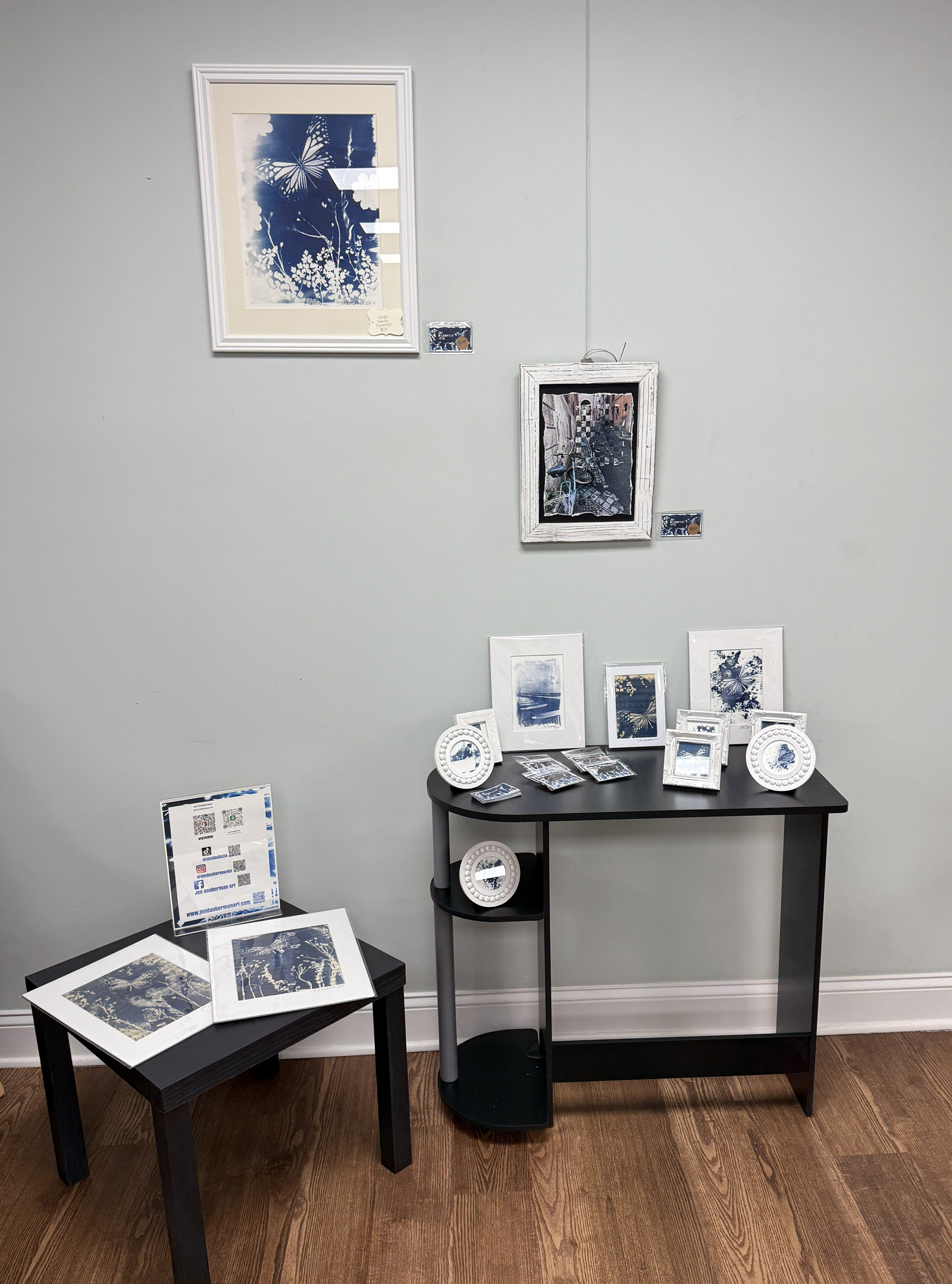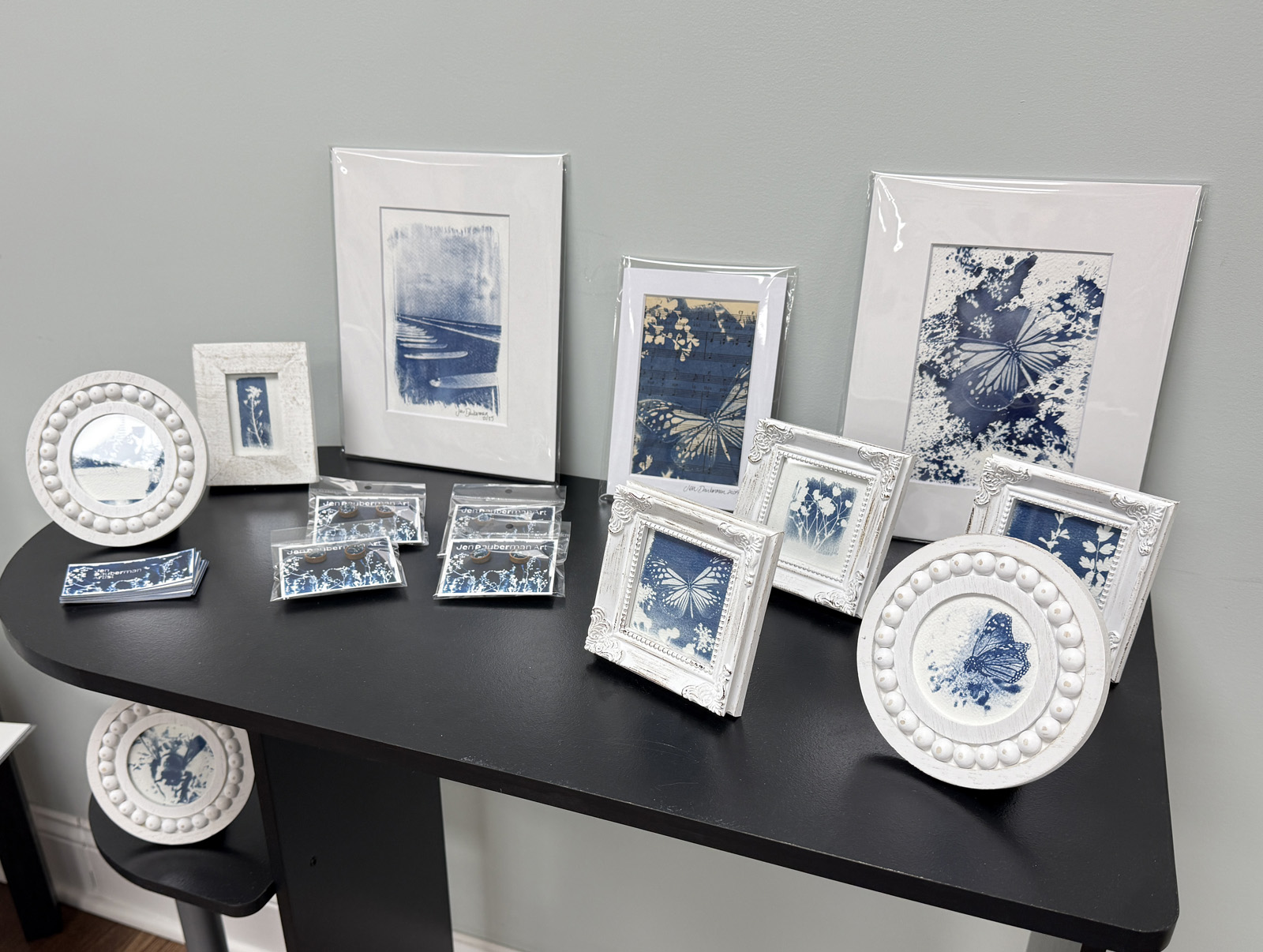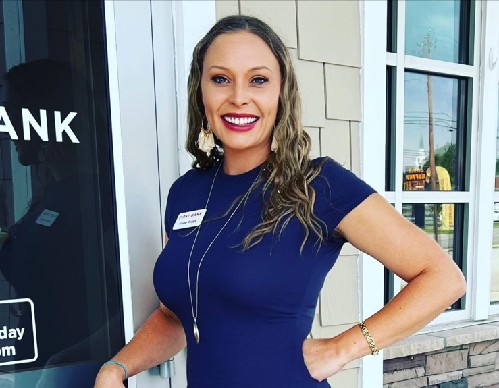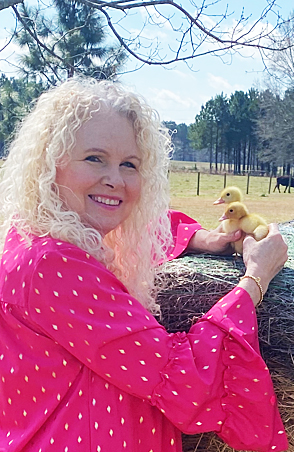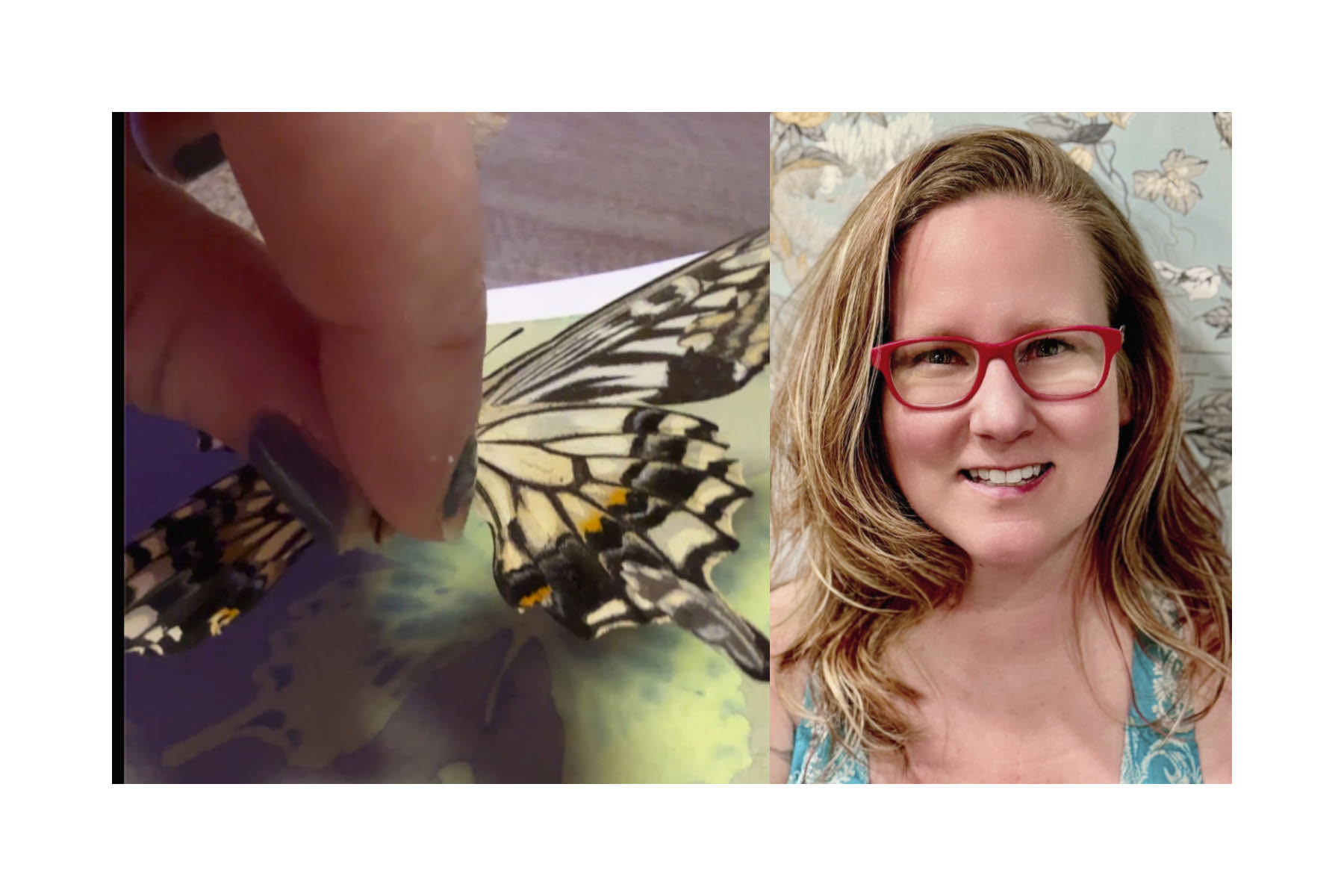
Jen Dauberman, an artist and art teacher based in Conway, South Carolina, is one of the featured artists who has work on display at the City of Dillon Visitor Center.
Jen specializes in photography and the cyanotype process. With a deep connection to nature and ancestral narratives, her work explores themes of memory, transformation, and the passage of time. Through the delicate interplay of light and shadow, she creates ethereal compositions that capture the essence of fleeting moments.
Beyond cyanotypes, Jen integrates mixed media techniques, metalsmithing, and fiber arts into her creative practice, often blurring the boundaries between traditional and experimental approaches. Her passion for process-driven art allows her to embrace unpredictability, resulting in pieces that feel both organic and intentional.
She has a BA in Studio Art and a Masters of Art in Teaching Art k-12 from Coastal Carolina University. In addition to her artistic pursuits, Jen is committed to philanthropy and community engagement. For nearly a decade, she has participated as a designer in Compassion Through Fashion, an annual fundraiser that supports individuals experiencing homelessness, poverty, and addiction. Through this event, she transforms recycled and unconventional materials into wearable art, using creativity to inspire awareness and change.
An active presence in the art community, Jen has exhibited in various galleries and has had her work published both nationally and internationally. Most notably, The Visual Arts Journal featured an interview segment about her in its January 2025 edition, printed in the Netherlands. She is honored to be included in the inaugural volume of the South Carolina Art Education Association Artist Anthology, highlighting the creative voices of artists across the state. In addition to her artistic achievements, Jen is deeply involved in arts advocacy and education, serving on the executive board of the South Carolina Art Education Association as treasurer.
Here’s a Q&A with Jen to help us get to know a little bit more about her as an artist and her creative process:
Q. What inspired you to become an artist?
A. Honestly, I don’t remember ever not making art. I grew up in Kentucky and was really lucky to have people around me who encouraged creativity from the very beginning. Whether it was drawing, building things, or just making a mess, I was always supported. Being surrounded by nature—creeks, woods, all that green—gave me a lot to be curious about. Making art just felt like the most natural way to explore it all and share what I was seeing and feeling.
Q. What type(s) of art do you create?
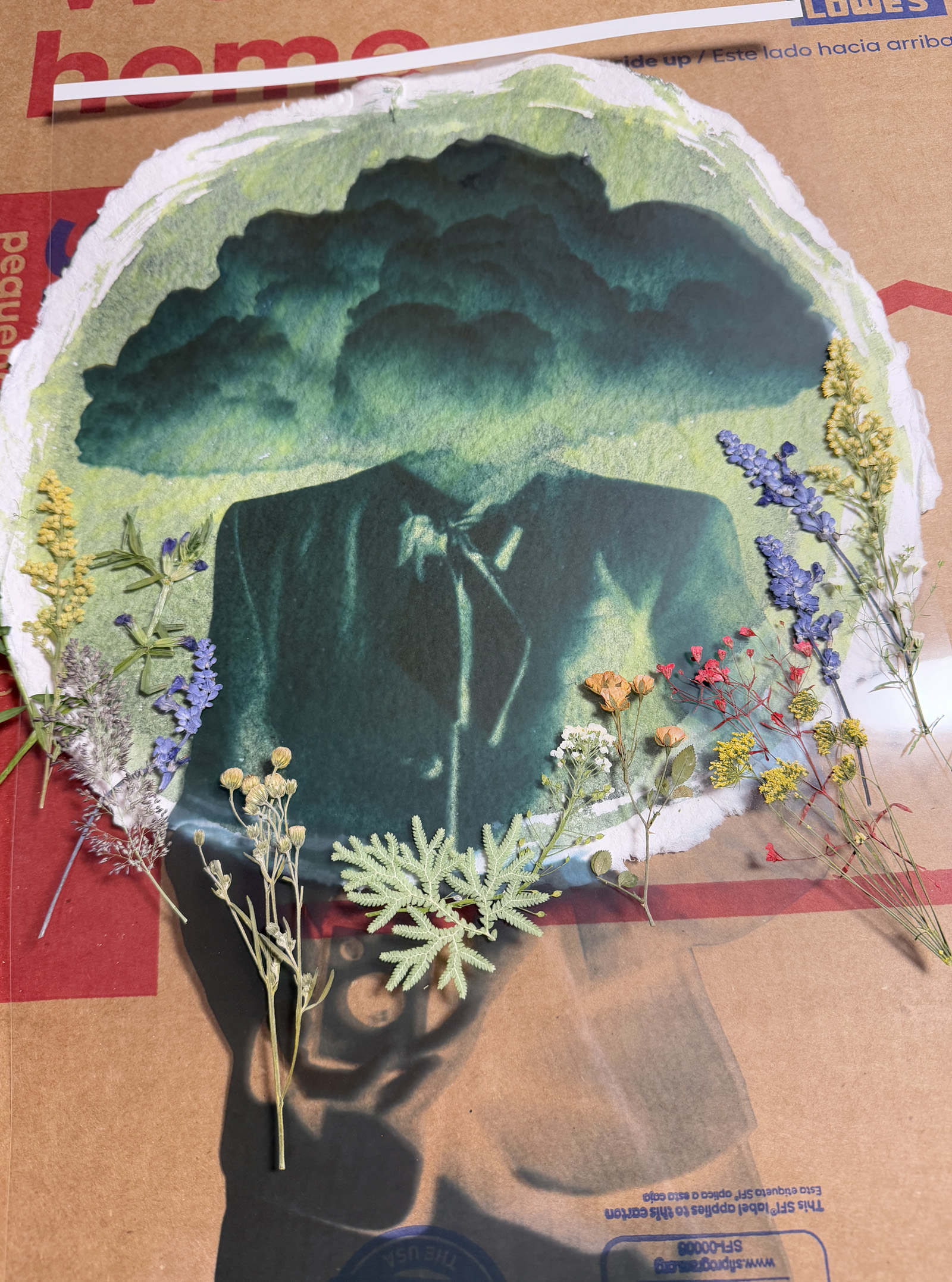
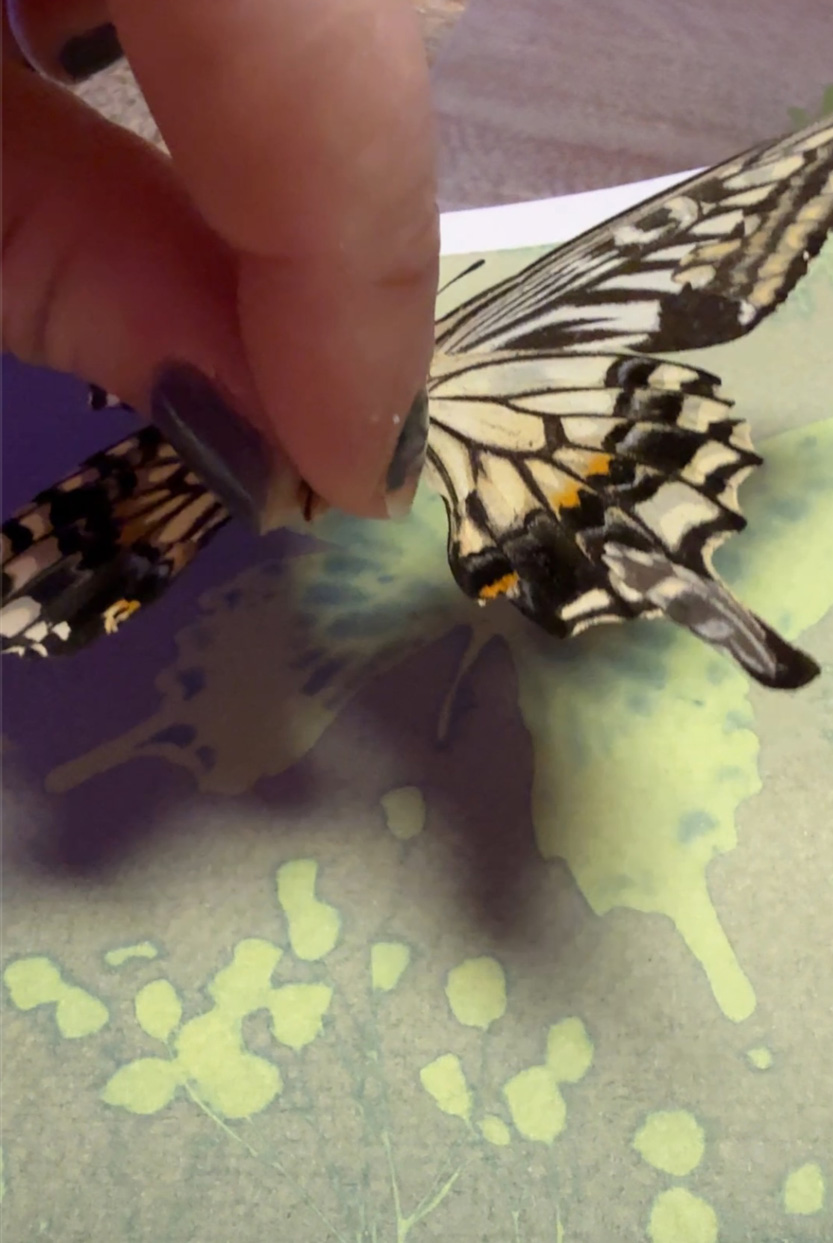
A. Right now, I’m mainly working in cyanotype, which grew out of my love for photography, chemistry, and the darkroom. I’ve always been drawn to processes that involve a little experimentation—where you’re never quite sure what will appear. Cyanotype has that magic. It’s such an organic process, and I love how it connects with nature, light, and time. I also tie in my digital side by manipulating old photographs—giving them a surrealist twist before turning them into negatives for printing. I really enjoy mixed media too, especially repurposing antiques or found objects and giving them a new story. There’s something special about turning old things into something completely new.
Q. Is the art that you have on display in Dillon part of a particular series?
A. It’s not part of a specific series, but the work I have on display in Dillon is definitely connected by a theme. It’s heavily inspired by nature and the idea of signs. This past summer, I read Signs: The Secret Language of the Universe by Laura Lynne Jackson, and it really stuck with me. The book talks about how our loved ones who’ve passed can send us signs to let us know they’re still with us. For me, butterflies have always been a sign from my mom, who passed away from breast cancer 14 years ago. Whether or not others believe in that kind of thing, it brings me comfort—and I truly do see them everywhere. They even land on me sometimes. So, this collection is very personal, rooted in memory, and the way nature can hold meaning.
Q. Can you walk us through your creative process from beginning (when it is an idea) to the finished product?
A. At this point, I’ve become a little obsessive-compulsive—in the best way—about constantly looking at plants and flowers for unique silhouettes I can use. I’m always scanning the roadside, gardens, anywhere really. Just last week I made my friend Sandi pull over the car so I could jump out and grab some flowers I spotted!
All of the imagery in my work comes from my own photography. The butterflies in the Dillon show are all ones I’ve photographed myself. I start by editing those images in Photoshop—manipulating them and sometimes adding a surreal twist—then inverting them into a negative to prepare for printing.
For the cyanotype process itself, I hand-coat a porous surface with a UV-reactive chemical mixture. Then I arrange my negatives and any natural elements like leaves or flowers directly onto the surface. Once everything is in place, I expose the piece to UV light—either the sun or an artificial source. After that, I rinse it with water, add a splash of hydrogen peroxide to speed up the oxidation process, and then hang it up to dry. It’s such a hands-on, experimental, and rewarding process—from start to finish.
Q. How do you know when a piece is finished?
A. This process is so different from something like painting—there’s not a lot of room to overwork or second-guess a cyanotype once it’s exposed. You really only get one shot. Most of my time goes into getting the exposure just right.
I know a piece is finished when the composition feels balanced and I’ve hit that perfect deep Prussian blue. It’s bold but has a softness to it—there’s nothing else quite like that color. When that blue comes through just right, that’s when I know it’s done.
Q. What mediums/materials or techniques do you find yourself drawn to and why>
A. The obvious answer for me is photography and cyanotypes. There’s just something about the process that keeps pulling me in. It gives me a direct connection to memory, which ties into the ancestry research I love. There’s a vintage quality to cyanotypes that feels timeless, but at the same time, every single print is unique.
I’ve been playing around with cyanotypes for over 20 years now, and I’ve never gotten bored—not once. If anything, I just keep falling more in love with the process. There’s still so much to explore with it.
Q. What do you hope viewers in Dillon take away from your work?
A. I hope the pieces in Dillon evoke a sense of surrealness—like you’re looking at something familiar, but through a slightly dreamlike or otherworldly lens. There’s a layering of memory, nature, and symbolism that I hope makes people pause and wonder what the story behind each piece might be.
Of course, no two people are going to feel the same way about a piece, and that’s part of what I love about sharing art. I also hope my work sparks some curiosity—especially about the cyanotype process. Most people around here think the blue comes from indigo, which makes sense given the history of the region. But there’s a whole chemical process behind it that’s totally different, and it always surprises people when they learn how it works. If someone leaves feeling inspired or even just asking, “How was that made?”—that’s a win for me.
Q. Has your style changed over time? If so, how?
A. My medium hasn’t really changed—photography and cyanotypes have been a constant—but I’m always exploring something new within that space. Just in the past few weeks, I’ve taken a pretty sharp turn creatively. I made a dress for a charity event that was made entirely of botanical cyanotypes, and my solo show in Myrtle Beach was a deep dive into my ancestry. That work combines surreal imagery with digitally manipulated family photos dating all the way back to the 1800s.
I always seem to have several projects going at once, each in different stages of development. My creative process is definitely a mix of curiosity, experimentation, and following whatever thread excites me at the moment.
Q. Do you have any particular piece on display in Dillon with an interesting story behind it? If so, please elaborate.
A. The pieces I made on sheet music are especially meaningful to me—they’re a quiet nod to my dad. He was a banjo player and raised me on bluegrass, so music has always been a huge part of my life. It’s amazing how hearing a song—or even just seeing old sheet music—can flood your mind with memories. Working on that kind of surface brings up all those feel-good, nostalgic vibes for me.
I recently created a piece for a friend using Vienna by Billy Joel as the base. We went to Vienna together last summer, and that song holds so many special memories from that trip. There’s something really powerful about layering personal meaning on top of already meaningful materials.
Q. How does your work reflect your personal experiences or perspectives on things?
A. A lot of my work is deeply personal—it’s tied to memory, loss, curiosity, and connection. The butterflies are a symbol of my mom, who passed away from breast cancer, and they show up often in my cyanotypes as a quiet reminder of her presence. The pieces on sheet music connect me to my dad and the way music shaped my upbringing. Even the surfaces I choose—old photographs, found objects, antique paper—are often about honoring the past and finding new meaning in things that already have a story.
My perspective is always shifting, but I think I approach art as a way to explore what matters to me in the moment, whether that’s ancestry, grief, nature, or something more playful. It’s all connected. My work isn’t about having all the answers—it’s about asking questions, following curiosity, and letting meaning unfold in the process.
Q. Is there anything else that you would like to add.
A. Just a big thank you to anyone who takes the time to look at my work. It means a lot to me. I hope something in it speaks to you, whether it stirs a memory, makes you curious, or just gives you a moment to pause and feel. That connection—that spark—is really what it’s all about.
PHOTO GALLERY
Contributed Photos