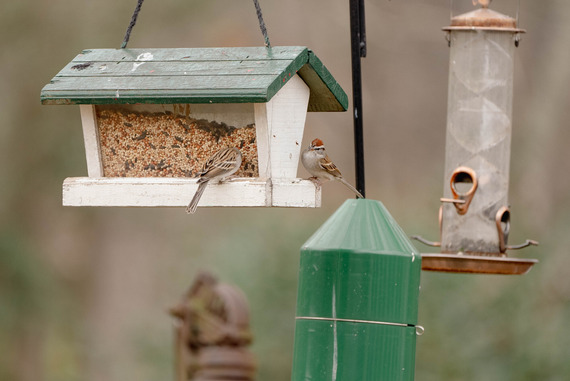
A healthy flock of backyard birds often reflects the cleanliness of your bird feeders. Feeding birds during the fall and winter months is a favorite activity for many South Carolinians, as birds readily take advantage of supplemental food sources. This season is also an ideal time to commit to cleaning your bird feeders regularly—about once a month.
“Cleaning the feeders and bird baths where birds congregate is very helpful to the birds,” said Amy Tegeler, SCDNR Bird Conservation Coordinator. “Disease can spread from bird to bird via saliva or feces, so it’s important to be mindful of where they gather. Don’t forget to clear waste seed from the ground beneath feeders, too. Clean feeders can reduce the spread of diseases like avian pox and finch eye disease.”
To clean your feeders:
-Soak them in warm, soapy water and scrub thoroughly with brushes to reach every nook and cranny.
Use a solution of one part bleach to nine parts water for seed feeders.
-For hummingbird feeders, use one part vinegar to four parts water.
-Periods of rainy weather can cause seed to sprout or turn rancid quickly. Some feeders disassemble for easier cleaning. Also, keeping a few extra feeders on hand allows you to swap them out as needed. You can then clean the used ones when you have time—no need to worry about birds losing interest while the feeders are being cleaned.
“The placement of feeders near your home is also important,” added Tegeler. “To avoid window collisions, place feeders either less than three feet or more than ten feet from your house. Black oil sunflower seeds are a great choice for most feeders, and if squirrels become a problem, try a hot pepper-flavored suet.”
Routine cleaning helps ensure that visiting birds stay healthy and that feeders remain in good condition all season long.