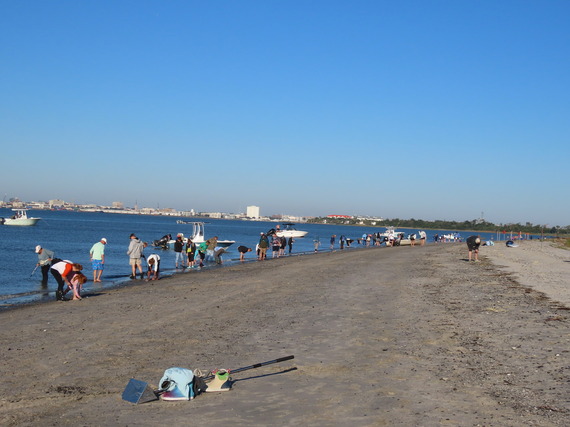
Charleston, SC — The South Carolina Department of Natural Resources (SCDNR) is strengthening protections at Crab Bank Seabird Sanctuary by enforcing the existing prohibitions against the collection of fossils, digging or excavation, and the use of metal detectors. These rules—already in place across South Carolina’s Heritage Preserve system—will be actively enforced to protect the island’s fragile habitat and ensure its continued role as a safe haven for coastal bird species.
Effective immediately, the use of metal detectors, digging, and excavation are prohibited at Crab Bank. Beginning January 1, 2026, enforcement will also extend to the collection or damage of fossils, along with other activities prohibited under S.C. Code § 50-11-2200 and S.C. Code of Regulations Chapter 123-200 through 204. These laws safeguard public trust lands from activities that can damage natural features and disturb sensitive wildlife habitat.
Crab Bank, rebuilt in 2021 after being lost to Hurricane Irma, has quickly re-emerged as a critical nesting site for Black Skimmers, Gull-billed Terns, Least Terns, American Oystercatchers, and South Carolina’s state seabird, the Brown Pelican. Protecting the island from unauthorized collecting and digging ensures that its shoreline and habitats remain intact for the benefit of both wildlife and future generations.
“These protections are about more than preserving fossils or natural features—they are about protecting an ecosystem that coastal birds depend on for survival,” said Amy Tegeler, SCDNR Bird Conservation Coordinator. “Every nest, every chick, and every square foot of habitat matters.”
For more details on the restoration and current regulations, visit the SCDNR Public Lands.